How LVP and laminate are built
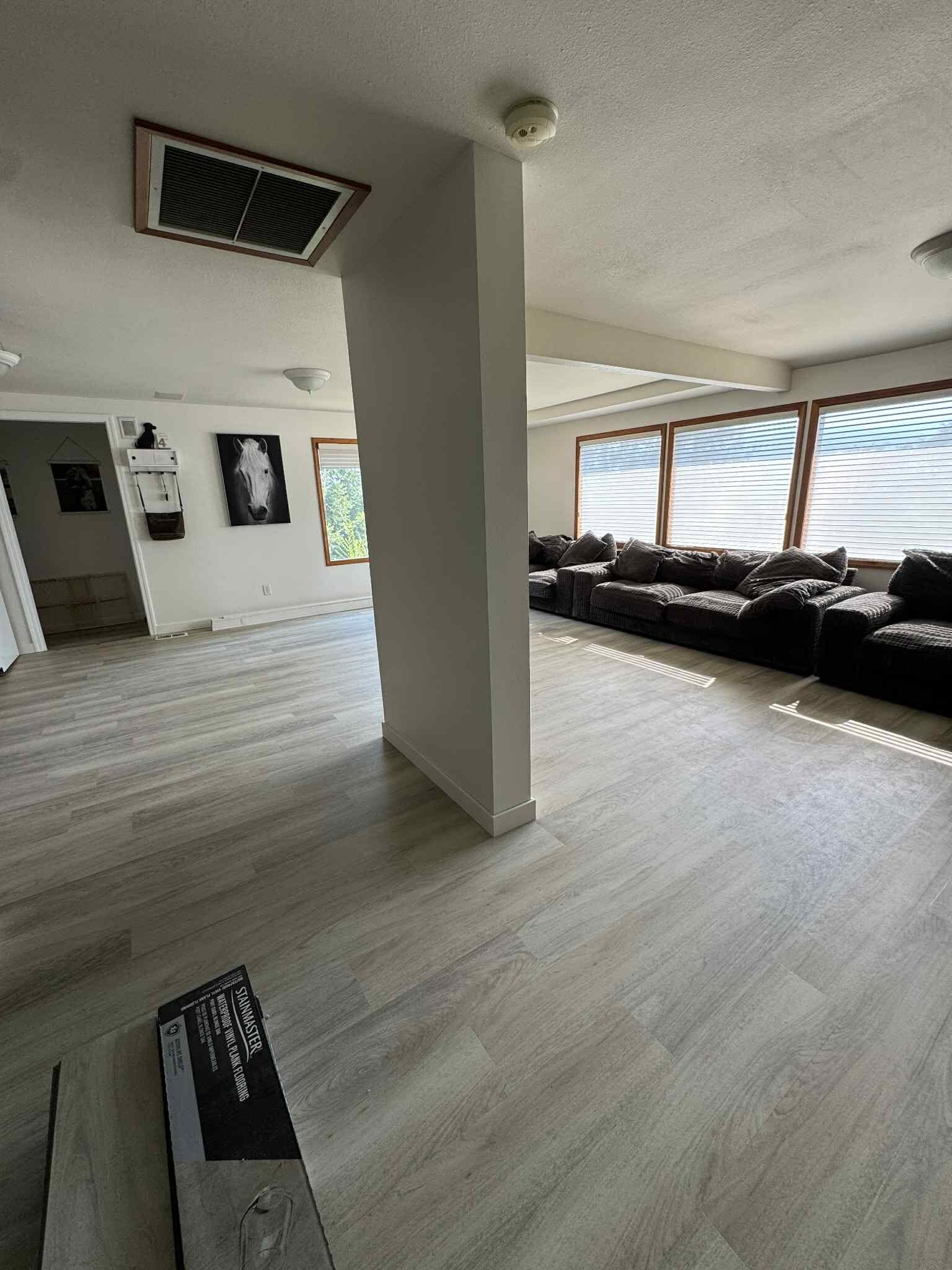
Luxury vinyl plank is made from layered vinyl and a rigid or flexible core. A printed design layer gives each plank the look of wood or stone, while a clear wear layer protects the surface. Many current products have an attached pad that adds a little comfort and helps control sound. The material itself does not absorb water the way wood fiber can.
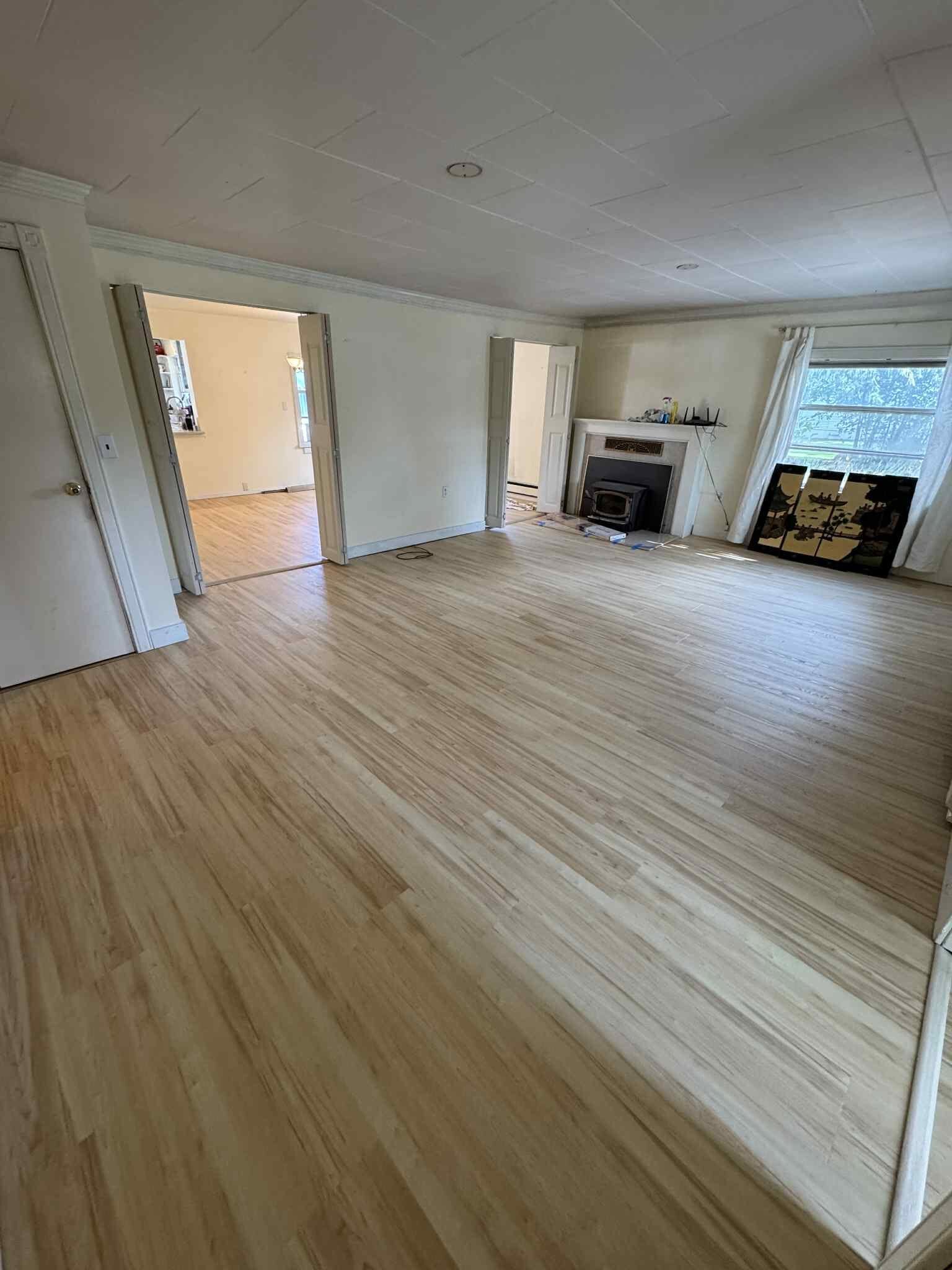
Laminate uses a dense wood-fiber core beneath a printed design layer and protective top surface. That core gives laminate a firm feel and helps create convincing wood texture. Modern laminate is much stronger than older versions, but the core still needs protection from standing water. Careful installation at edges, doorways, and plumbing penetrations matters for both products.
Water resistance
Water exposure is one of the clearest differences. LVP is often the easier choice for kitchens, bathrooms, laundry rooms, and basements because its core is waterproof. Spills still need to be cleaned, and water should never be allowed to reach the subfloor, but the plank itself handles moisture well.
Laminate products vary. Some have water-resistant surfaces and edge treatments that provide useful protection from everyday spills. They are not all intended for rooms with repeated moisture. Product instructions should guide where a specific laminate can be installed. In a dry bedroom, office, or living room, laminate can perform very well when the subfloor is flat and the perimeter expansion space is correct.
Feel and sound underfoot
LVP usually has a slightly softer, quieter feel, especially when it includes an attached pad. It can be comfortable in rooms where people stand often, and it handles the temperature changes common in lower levels and concrete-slab areas. The exact feel depends on plank thickness, core construction, and the condition of the surface underneath.
Laminate often feels firmer and can produce a more pronounced footstep sound. A suitable underlayment can soften that sound and improve comfort. Neither material should be selected by a sample alone. It helps to compare full planks, walk on installed examples when possible, and consider how the room connects to nearby flooring.
Durability in a busy home
Both floors can stand up to everyday family life when the product is matched to the room and installed correctly. LVP handles wet shoes, pets, and routine spills especially well. A strong wear layer helps protect against scuffs, though furniture pads and regular sweeping are still important.
Laminate is known for a hard surface that resists many scratches and dents. It can be a good fit for bedrooms, living rooms, and rentals where easy cleaning matters. Heavy water exposure and damaged edges are its main concerns. With either floor, grit acts like sandpaper over time, so entrance mats and simple cleaning habits make a real difference.
Where each floor belongs
For kitchens, bathrooms, laundry rooms, basements, and connected whole-home layouts, LVP is often the practical choice because it can continue through moisture-prone spaces. It also works well over properly prepared concrete. Consistent flooring through several rooms can make a home feel calmer and more open.
Laminate is well suited to dry living areas, bedrooms, home offices, and many rentals. Its firm surface and detailed visuals appeal to homeowners who want a wood look without using natural hardwood. Door clearances, stair details, room transitions, and manufacturer restrictions all need to be considered before the final selection.
Why subfloor preparation matters
Neither LVP nor laminate will hide a rough or uneven subfloor. High spots can create pressure on locking joints, while low spots can let planks flex. Before installation, the old floor is removed as needed, the surface is cleaned, loose areas are secured, and the floor is checked for flatness. Concrete may need grinding or patching. Wood subfloors may need fastening or localized repair.
This preparation is not the most visible part of the finished room, but it affects how the floor sounds, feels, and holds together. MG Flooring handles the prep, installation, transitions, and trim as one connected job so details are not passed between separate crews.
Making the choice for your home
Start with the room, not just the color. Think about water, sunlight, pets, foot traffic, connected spaces, and how long you expect the floor to remain in place. Bring home samples and view them in morning and evening light. Check them beside cabinets, wall colors, and existing trim.
A local installer can also spot conditions that change the recommendation. A basement slab, uneven hallway, exterior door, or adjoining tile floor can affect product and transition choices. MG Flooring installs both LVP and laminate throughout the Wenatchee Valley and can walk through the practical differences in your space before work begins.
Quick answers
Is LVP better than laminate in a bathroom?
LVP is generally the better fit for bathrooms because its core is waterproof. The perimeter and subfloor still need careful preparation.
Which floor feels more like wood?
Laminate often feels firmer, while quality products in both categories can have convincing wood texture. Comparing full planks in your room is the best approach.
Can LVP or laminate go over concrete?
Yes, when the slab is clean, dry, flat, and prepared for the product. Grinding, patching, or moisture checks may be needed first.